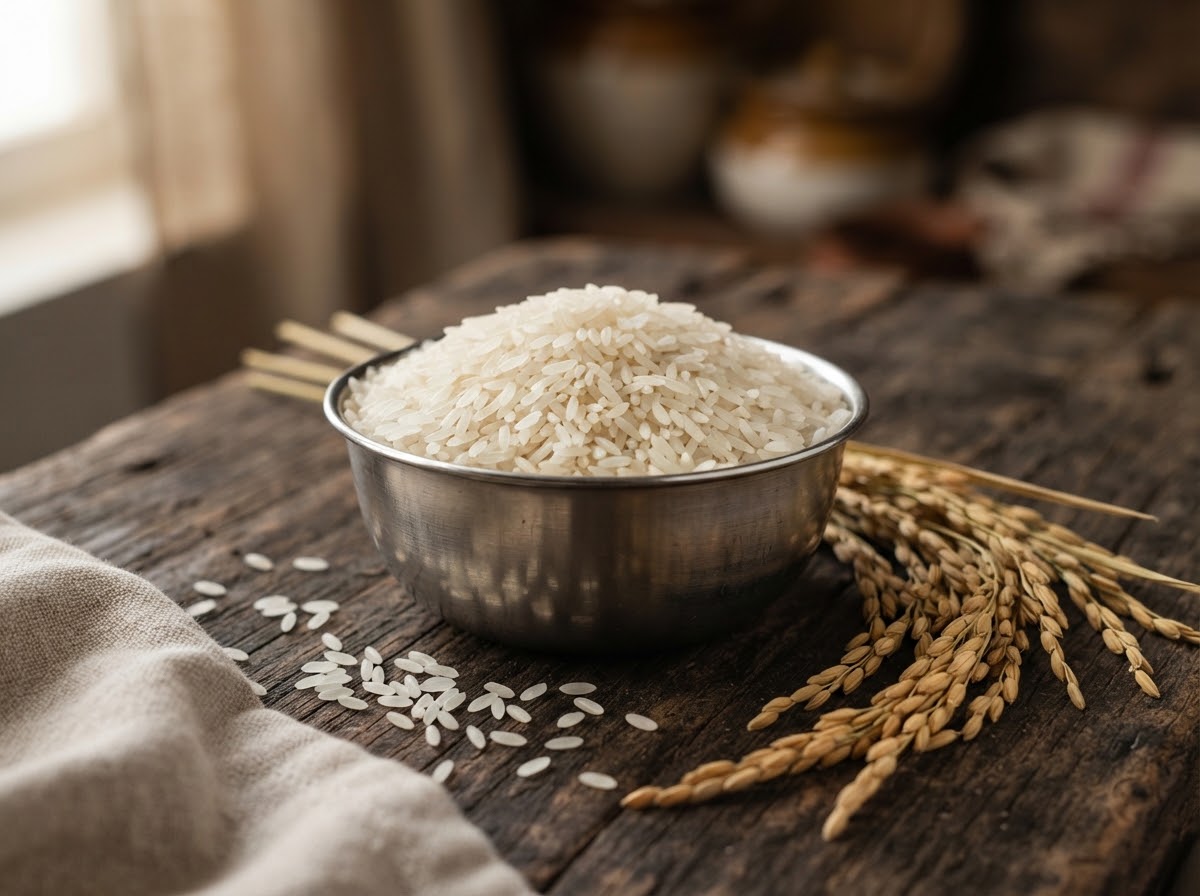
Karjat 3 Rice
Karjat 3, a rice variety bred in the Konkan. Hand-harvested, sun-dried and milled just once, for everyday cooking.
Hand-harvested · Sun-dried · Milled once
- Hand-harvested
- Sun-dried
- Milled once
₹149 MRP ₹179 17% off
MRP inclusive of all taxes · ₹149/kg · Free delivery · Minimum order ₹499
- Free delivery across India · Cash on delivery up to ₹3,000
- Damaged or wrong item? Replacement or refund — refund policy
Product information
- Product
- Karjat 3 Rice
- Net quantity
- 1 kg
- MRP
- ₹179 (inclusive of all taxes)
- Unit sale price
- ₹149/kg
- Best before
- 365 days from packing
- Storage
- Store in an airtight container in a cool, dry place, away from sunlight and moisture.
- Ingredients
- Rice (100%)
- Food type
- Vegetarian
- Country of origin
- India
- Packed & marketed by
- Harileaf Agri Tech LLP, 202, Bldg No 3, Wing C, Dattani Nagar CHS Ltd, S V Road, Nr Shastri Classes, Borivali (W), Mumbai, Maharashtra 400092
- FSSAI application no.
- 30261020127743193
- Customer care
- +91 98209 66177 · harileafagritech@gmail.com
₹149
1 kg · ₹149/kg
From field to pack
How our Karjat 3 Rice is made
A monsoon crop
Seedlings are raised in a nursery and transplanted into flooded fields when the monsoon arrives, by the method our family has used for over 30 years.
No synthetic inputs
We grow without synthetic fertilisers or pesticides.
Cut by hand
When the grain is golden and hard, the paddy is cut by hand and bundled in the field.
Sun-dried
The paddy dries in the sun before threshing, so it mills cleanly and stores well.
Milled once
We mill in a single pass and stop there: no repeated polishing for a glossy white look.
Why it matters
Milled once vs polished white
| Aspect | Our rice | Heavily polished rice |
|---|---|---|
| Milling | A single pass | Several polishing passes |
| Outer layers | More of the bran layer stays on | Mostly polished away |
| Look | Creamy, not glossy | Bright, glossy white |
| Taste | Fuller, gently nutty | Milder |
| Harvest and drying | Cut by hand, sun-dried | Often machine-harvested and dried |
Polishing makes rice whiter and cook faster, but it also strips away the outer layers of the grain. We mill once and let the rice look like rice.
From our farm
About Karjat 3 Rice
Karjat 3 is a white rice variety bred at the rice research station in Karjat, in the Konkan, for the region’s heavy monsoon. It is a dependable everyday rice that cooks soft.
We grow it the way our family has for over 30 years, without synthetic fertilisers or pesticides. The paddy is cut by hand and sun-dried, then milled in a single pass and not polished again, so it keeps a creamy colour and a fuller taste.
Good for: dal-chawal, pulao, khichdi and idli or dosa batter.
Harvest & freshness
- Variety
- Karjat 3 (bred at the rice research station in Karjat, Konkan)
- Season
- Monsoon (kharif) crop, harvested October–November
Details
- Type
- White rice
- Cooks
- Soft
How to cook it
- Rinse the rice 2–3 times, until the water runs mostly clear.
- Soak for 20 minutes if you like softer grains (optional).
- Use about 2 cups of water to 1 cup of rice. Bring to a boil, then cover and cook on low heat for 12–15 minutes.
- Rest for 5 minutes with the lid on, then fluff with a fork.
- Pressure cooker: 1 cup rice to 2 cups water, 2 whistles on medium heat.
Recipes and guides
Read more
- How to cook unpolished rice: soaking, ratios and methodsCook unpolished rice soft and fluffy: how long to soak, water ratios for pot, pressure cooker and rice cooker, and fixes for hard or mushy rice.
- Red rice vs brown rice vs white rice: what’s the difference?How red, brown and white rice differ in milling and bran colour, plus cooking times, water ratios and how to store each kind.
- Polished vs unpolished rice: what milling takes off the grainWhat husking and polishing do to a rice grain, how unpolished rice cooks and keeps, and how HariLeaf Farms mills its rice.
Questions
Frequently asked
What is Karjat 3?
A rice variety developed at the rice research station in Karjat for the Konkan’s heavy monsoon. It is widely grown in the region as an everyday rice.
Is this rice certified?
We have applied for certification for our rice and will show the certificate here once it is granted. Meanwhile, we grow it without synthetic fertilisers or pesticides.
Why does it look less white than supermarket rice?
We mill it once and don’t polish it again, so more of the grain’s outer layer stays on. That gives a creamier colour and a fuller taste.
How should I store it?
Keep it in an airtight container in a cool, dry place. In humid months, a few dried neem leaves or a bay leaf in the tin are an old way of keeping insects away.
You may also like
More from the farm
-
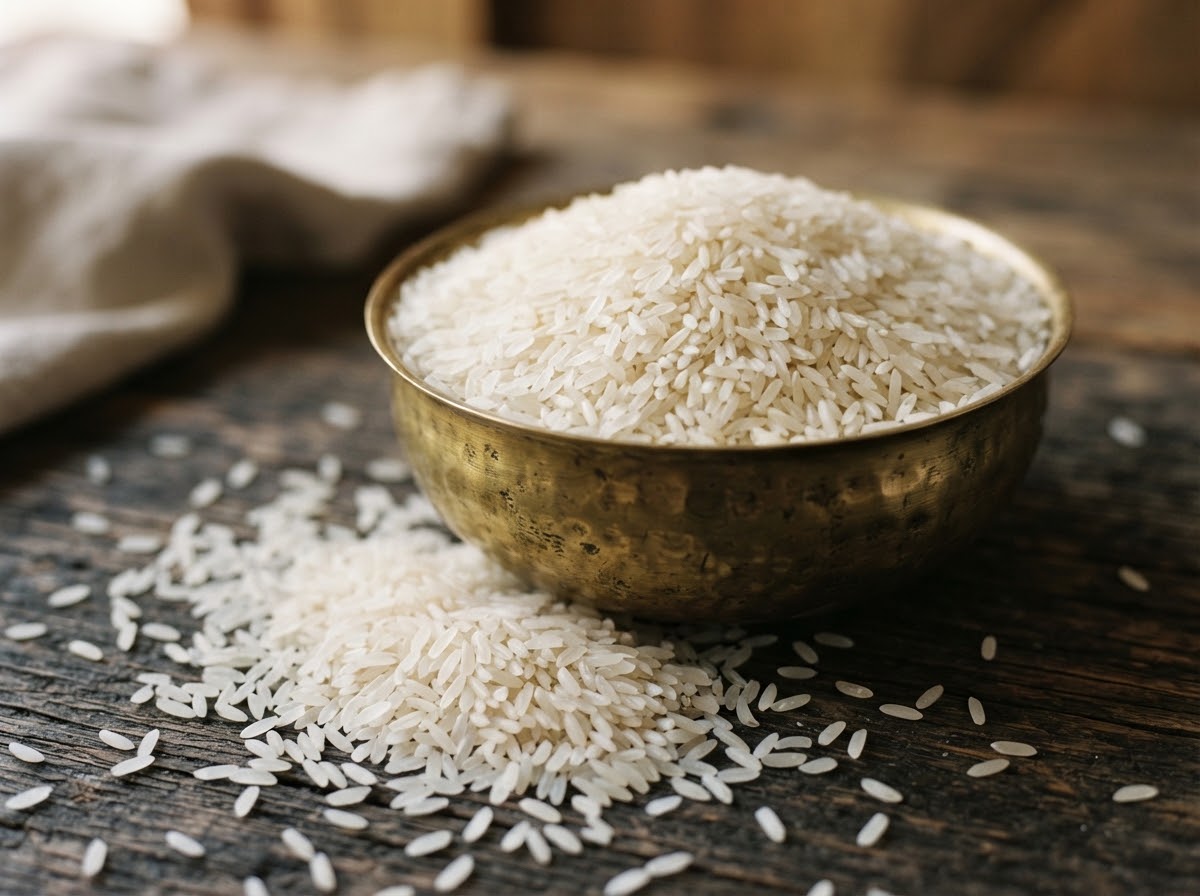
Kolam Rice from Wada
- Grown without synthetic fertilisers or pesticides
- Grown by the method our family has used for over 30 years
- Hand-harvested and sun-dried
From ₹169 MRP ₹199 15% off ₹169/kg
-
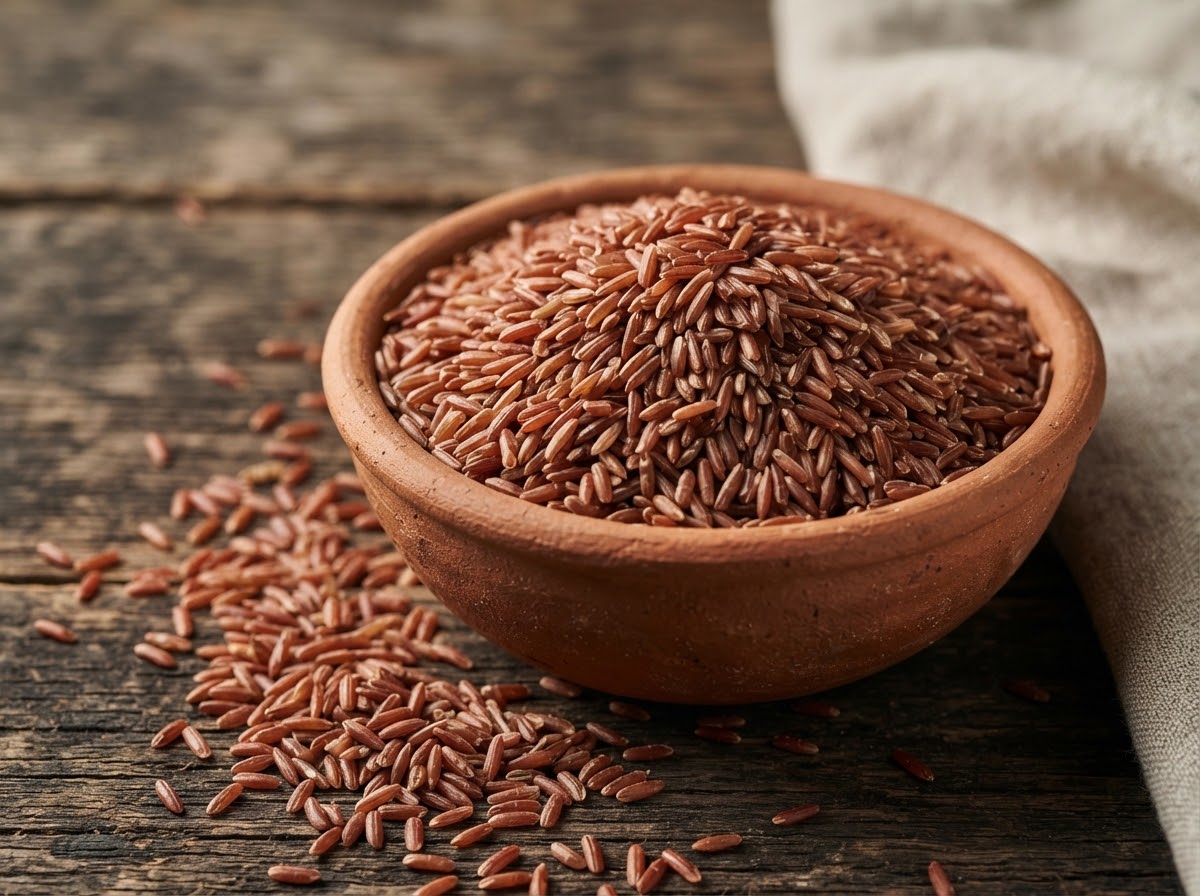
Red Rice
- Grown without synthetic fertilisers or pesticides
- Grown by the method our family has used for over 30 years
- Hand-harvested and sun-dried
From ₹159 MRP ₹189 16% off ₹159/kg
-
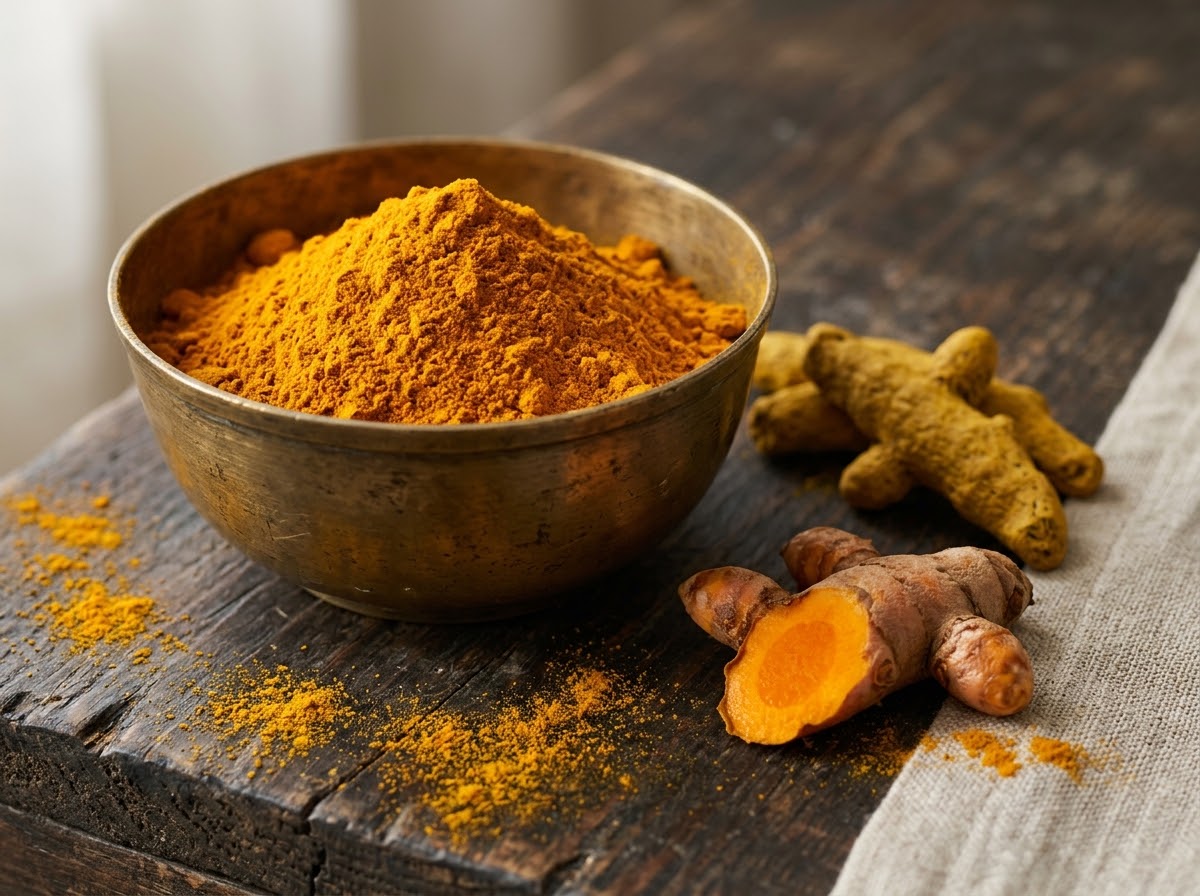
Stone-ground Turmeric Powder
- Grown without synthetic fertilisers or pesticides
- Boiled and sun-cured after harvest
- Slow stone-ground at low temperature, in small lots
From ₹149 MRP ₹175 15% off ₹1.49/g
-
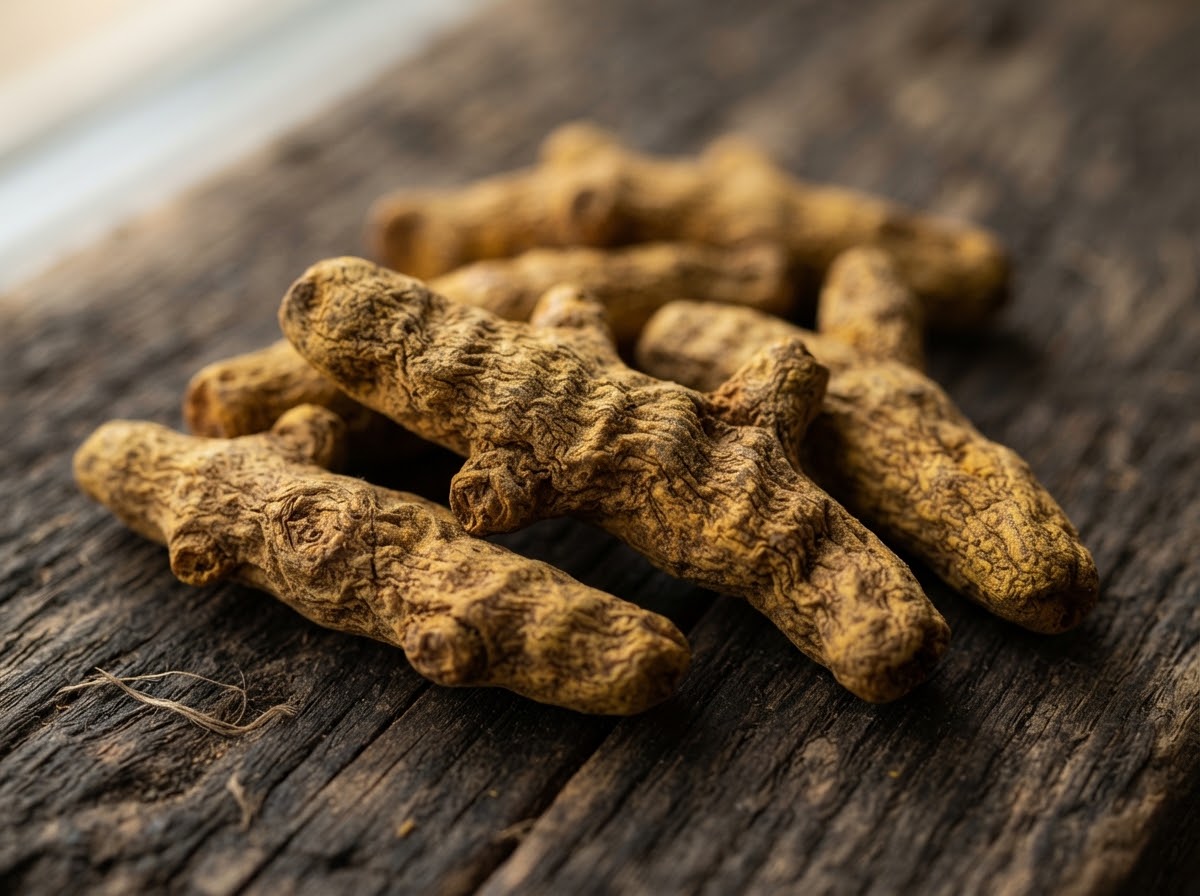
Whole Dried Turmeric Fingers
- Grown without synthetic fertilisers or pesticides
- Boiled and sun-cured after harvest
- Cured by boiling and sun-drying, a method used in India for generations
From ₹299 MRP ₹349 14% off ₹1.20/g